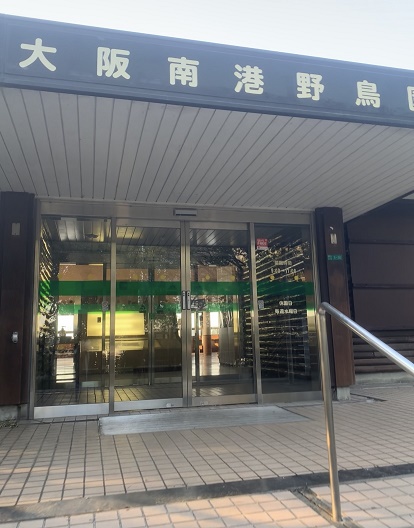
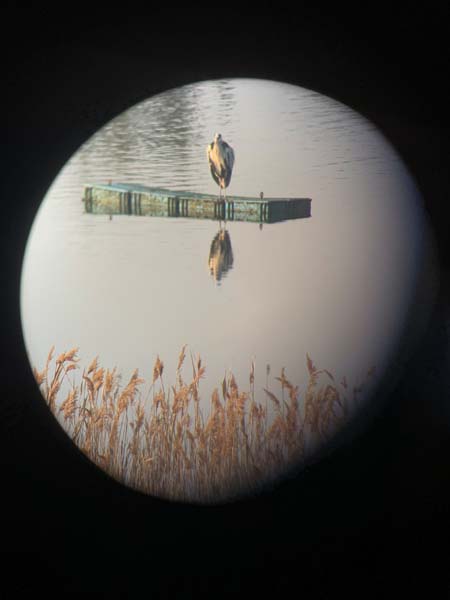
Osaka Nanko Bird Sanctuary
The Bird Sanctuary appears in Book 3 of Divine Debris, and it is one of the quieter locations in the series and a complete opposite of busy Dotonburi. There are no enormous signs, noisy restaurants or crowds moving through the streets. Just the green of the park, the wetlands below, the sound of birds and the occasional person standing very still with binoculars.
In the book, it becomes a place for the characters to get away from everything else for a while. It is particularly appropriate for a romantic date if you happen to be one of Hell's finest generals. Or, really, for anyone who would rather spend an afternoon listening to birds than listening to Osaka traffic.
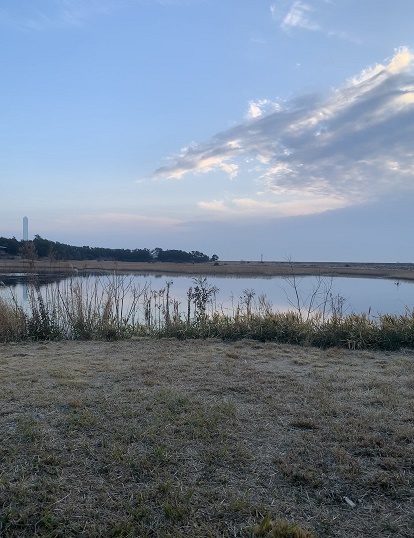
The sanctuary is in Osaka's Nanko area and was opened in 1983 as Japan's first artificially created tidal flat. The wetlands were designed to provide a resting and feeding place for wild birds, particularly migratory birds passing through on their enormous journeys. Around 150 species of birds visit the sanctuary over the course of a year.
The tidal flats are particularly important for shorebirds such as dunlin and other sandpipers and plovers. In spring and autumn, migratory birds stop here on their journeys between breeding grounds as far away as Siberia and Alaska and wintering grounds as far away as Australia. They use the mudflats to rest and feed before continuing their journey. Some of these birds travel around 10,000 kilometres.
Depending on the season and your luck, you might also see birds such as ospreys, eastern marsh harriers, mallards and mergansers. Dunlin and red-necked stints are among the shorebirds that visit, and the very lucky may spot a Eurasian spoonbill. The sanctuary is also a place where endangered bird species may occasionally be observed.
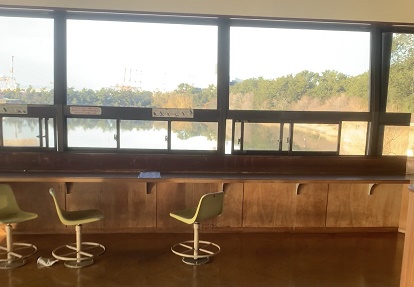
There are observation points around the sanctuary, including the main observation tower, where you can look down over the wetlands. Free binoculars are available for visitors, which means you don't need to arrive with expensive birdwatching equipment to enjoy the place. The observation room is free to enter as well.
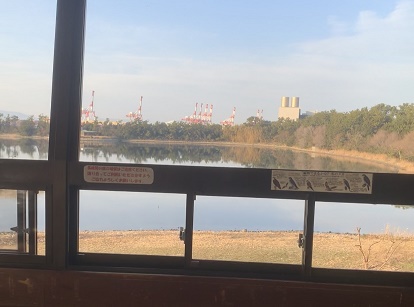
The view is surprisingly beautiful for somewhere surrounded by Osaka's port. You can see the tidal flats and the birds moving through them, with the city and industrial landscape beyond. On a clear day, the view stretches toward Awaji Island, the Akashi Kaikyo Bridge and the Rokko Mountains.
But please remember why this place exists.
People come here specifically to watch birds. Some are experienced birdwatchers who may have been waiting quietly for a particular species to appear. The number of visitors is not enormous, and that is part of what makes the sanctuary special. Please don't shout, play loud music, chase birds, or otherwise turn somebody else's peaceful birdwatching afternoon into a less peaceful one.
The sanctuary is a park, but it is also a refuge.
That is probably why I like it so much as a location for Divine Debris. Osaka is an enormous, noisy city, and Hell in my books is not exactly known for being a relaxing workplace either. Yet right here, surrounded by port facilities and city infrastructure, there is a place where the best thing you can do is stop talking and watch.
Sit down.
Look through the binoculars.
Listen.
There may be an osprey overhead, a flock of shorebirds feeding on the mudflat, or a bird that has travelled thousands of kilometres simply taking a break before continuing its journey.
And somewhere nearby, two people from Japanese Hell might be trying very hard to have a quiet date.
I would recommend letting them have their peace.