Shinsekai: travel back in time to the Osaka from Showa period
Shinsekai appears very early in the Divine Debris series, and later the characters return here with Shuten-douji to play retro arcade games.
“Shinsekai” means “New World,” which sounds like a rather ambitious name for one of Osaka's most wonderfully old-fashioned neighborhoods.
And that is exactly what it was meant to be.
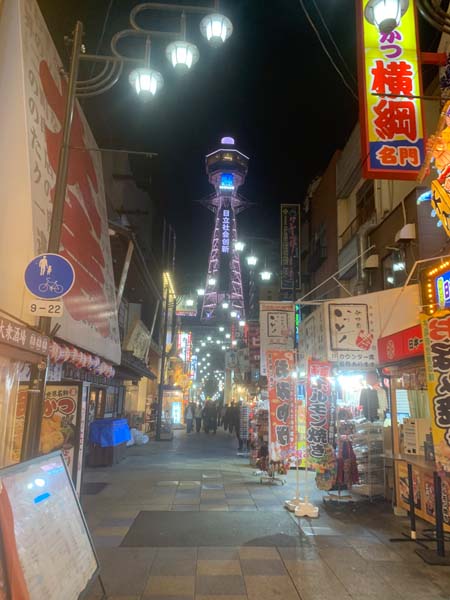
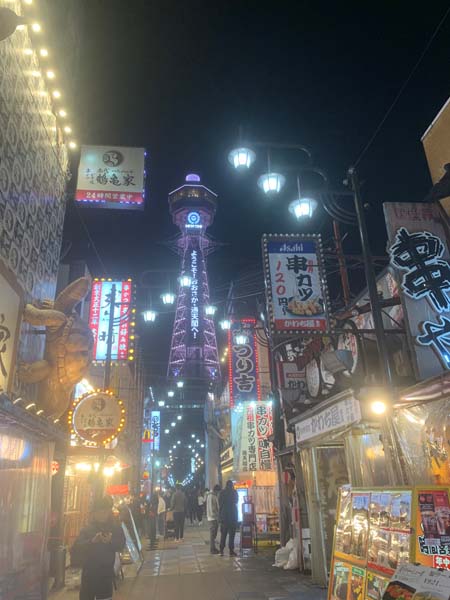
When Shinsekai was developed in 1912, it was designed as a showcase of modern entertainment and urban life. The northern part was inspired by Paris, while the southern part was modeled after New York's Coney Island. At the center stood the first Tsutenkaku, together with Luna Park, an amusement park that opened at the same time. The original Tsutenkaku was eventually dismantled during the war, and the tower standing today is its 1956 successor.
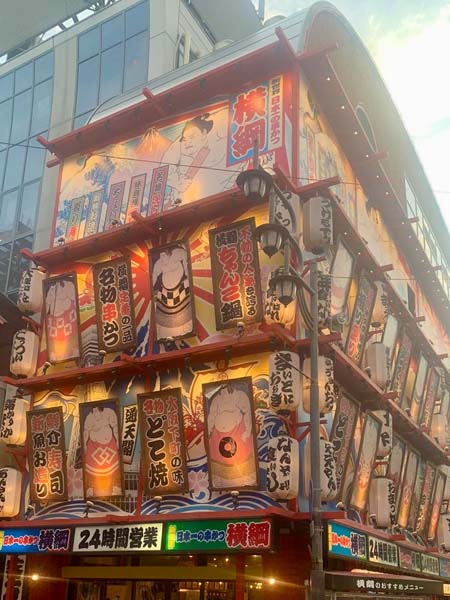
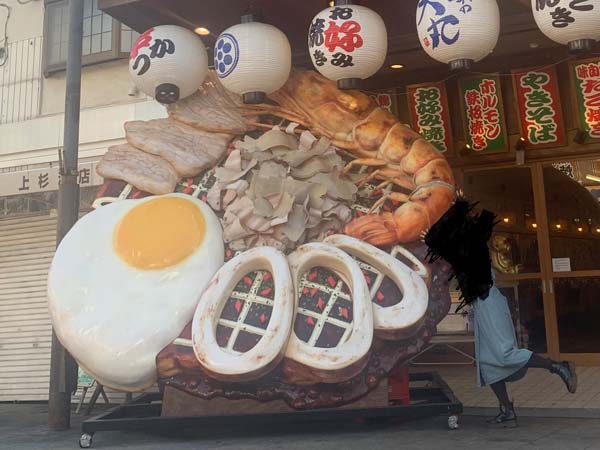
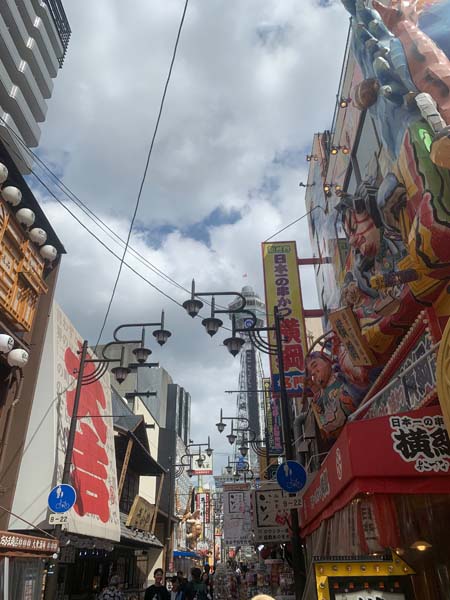
More than a century later, Shinsekai has acquired a rather different kind of charm. It still has the enormous signs, brightly decorated restaurants, narrow shopping streets and slightly surreal mixture of food, games and entertainment that make it feel like Osaka from another era. Compared with the much busier Dotonbori, I find it easier to wander around here without feeling as though you are being pushed along by the crowd. It is touristy, certainly, but it has retained much more of its old neighborhood character.
And it is precisely the kind of place where I can imagine a few inhabitants of Hell spending an afternoon.
Sadly, the exact retro arcades shop described in my books is no longer there. On January 21, 2025, a major fire destroyed Retro Game Center Zarigani in the Tsutenkaku Hondori shopping street. The arcade was known for its collection of unusual and historic machines, and the fire also damaged neighboring businesses. The building was eventually scheduled for demolition in 2026.
Fortunately, the neighborhood has not lost its entire collection of old-school entertainment. There are still arcades, shooting galleries, smart-ball parlors and other remnants of the entertainment culture that has been part of Shinsekai for generations.
There is another connection to old Osaka hiding in the name of the neighborhood itself.
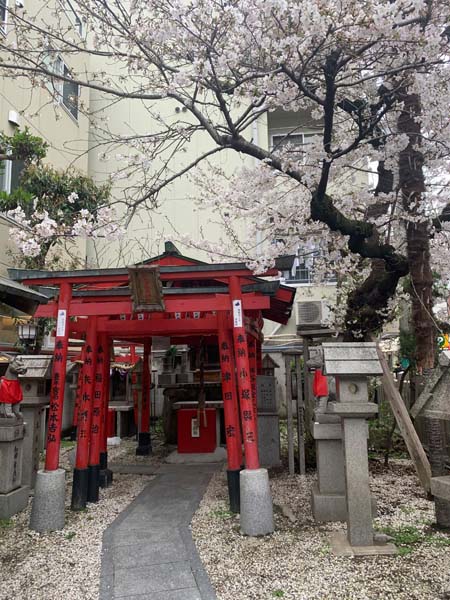
The streets around Tsutenkaku are closely associated with Ebisu, the god of good fortune and prosperous business. Imamiya Ebisu Shrine, just a short distance from Shinsekai, has been associated with the markets of this area for centuries. Ebisu was originally connected with fishing and the sea, and as markets developed around Osaka's waterfront, his role expanded into that of a protector of markets and commerce. By the medieval period and especially during the Edo period, Ebisu had become strongly associated with prosperity in business. That tradition is still very much alive during Toka Ebisu in January, when people come to pray for success and receive lucky bamboo branches decorated with auspicious charms.
There is also a wonderfully strange piece of mythology behind one version of Ebisu's identity.
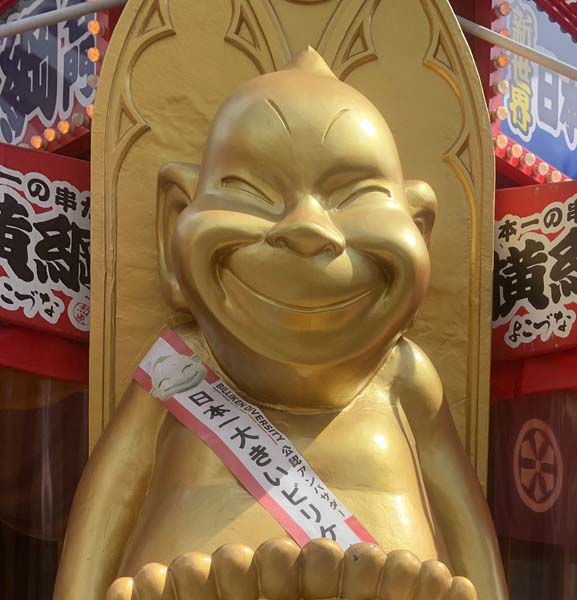
In the Kojiki, Hiruko is the first child of Izanagi and Izanami. Because of a problem in the ritual surrounding their union, the child is described as an unsuccessful or malformed birth and is placed in a reed boat and set adrift. Another tradition recorded in the Nihon Shoki says that Hiruko could not walk even at the age of three and was sent away in a boat. Much later, Hiruko became identified with Ebisu, who came to be worshipped as a deity of good fortune, fishing and prosperous commerce. If you look closely at golden Ebisu statues in Shinsekai you will find out they indeed resemble not the old man, but a sunny and sweat child. And he is always sitting because he can't walk.
I have always liked that transformation: a figure who begins as an unwanted, incomplete child in one of Japan's oldest creation myths eventually becomes one of the country's most beloved lucky gods.
And perhaps that is another reason Shinsekai feels so appropriate for Divine Debris. This is a neighborhood built around the meeting point of old and new, the sacred and the ridiculous, mythology and everyday life. You can walk past a shrine associated with a centuries-old god of commerce, drink at the gay bar behind a hidden door in the wall, eat takoyaki, play an arcade game that looks as though it escaped from the Sailor Moon anime, and then look up at Tsutenkaku.
Or, you can meet some demons and ghosts doing the same, who knows.
And then there is Tsutenkaku itself. The current tower is 108 meters tall, and you can go up and take the Tower Slider, a 60-meter-long slide that spirals from the third floor down to the basement.
For an area whose name means “New World,” Shinsekai has accumulated an impressive amount of history. But that may be the best thing about it. The old things haven't necessarily been preserved behind glass. They are still being used, eaten, played with, photographed, rebuilt and occasionally replaced.
That makes Shinsekai feel alive and real (much more than Dotonburi, in my humble opinion)